When navigating the myriad of options for your child's early years, distinguishing between "early education" and "traditional daycare" is paramount. While both provide essential supervision and a safe space, their core philosophies and approaches to a child's foundational development diverge significantly. At Hand in Hand Preschool & EDC, we firmly believe in fostering an environment that transcends mere childcare, actively promoting cognitive, social, and emotional growth from the very start. Understanding these differences can help you make an informed decision that truly prepares your child for future success.
Beyond Basic Care: Nurturing Holistic Development
Traditional daycare primarily focuses on supervision, ensuring children are safe, fed, and engaged in general play. While this provides essential support for working parents, early education programs are designed with a purposeful curriculum aimed at holistic development. This means activities are thoughtfully planned not just to pass the time, but to stimulate curiosity, encourage problem-solving, and build essential social skills. Children in early education settings are guided through experiences that foster language acquisition, fine and gross motor skills, and emotional regulation, all within a supportive and caring framework that recognizes each child's unique pace and potential.
Structured Learning Environments and Intentional Teaching
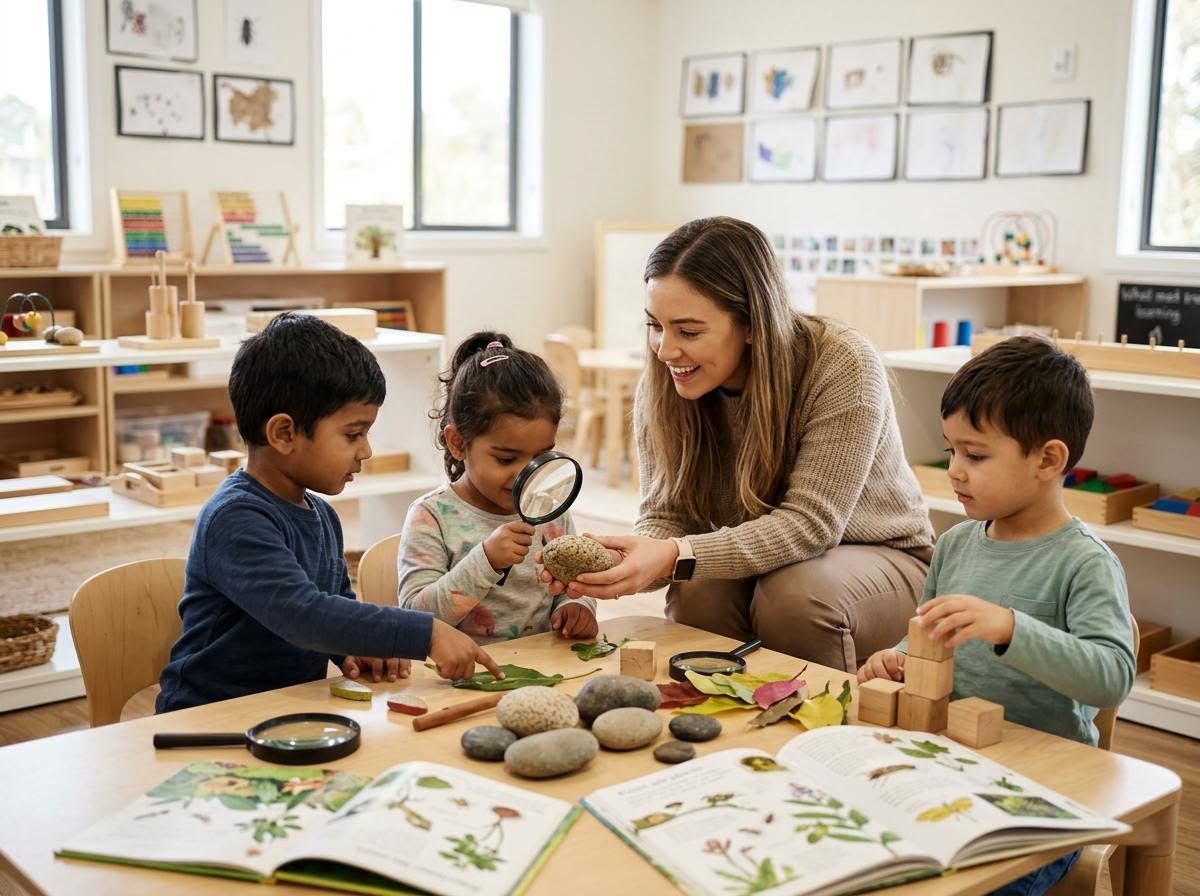
A hallmark of early education is its structured yet flexible learning environment. Unlike the often less formal setting of traditional daycare, early learning centers incorporate age-appropriate educational activities, often inspired by pedagogical theories. Educators are trained not only in childcare but also in early childhood development, understanding how children learn best. They utilize intentional teaching strategies, observing children's interests and leveraging them to introduce new concepts in an engaging manner. This might involve sensory play for scientific exploration, storytelling for literacy, or collaborative projects for social skill-building, all designed to build a strong foundation for formal schooling.
Cultivating Essential Skills for Future Readiness
The long-term benefits of early education are profound, extending far beyond simply keeping children occupied. These programs are intrinsically preparatory, equipping children with critical thinking skills, independence, and a love for learning that serves them well into kindergarten and beyond. They learn how to interact positively with peers and adults, share, cooperate, and manage their emotions – all vital components of social-emotional intelligence. Furthermore, the exposure to early literacy and numeracy concepts, often presented through playful and engaging methods, helps bridge the gap to elementary school, ensuring a smoother transition and setting children up for academic confidence.
In essence, choosing early education means investing in a comprehensive developmental journey that lays a robust foundation for your child's future. It’s about more than just care; it’s about preparation, inspiration, and nurturing their innate potential through thoughtfully designed experiences. At Hand in Hand Preschool & EDC, we are committed to providing an environment where every child can thrive through engaging, developmental learning experiences. To explore how our programs can benefit your child, we invite you to discover the philosophy behind our educational approach.