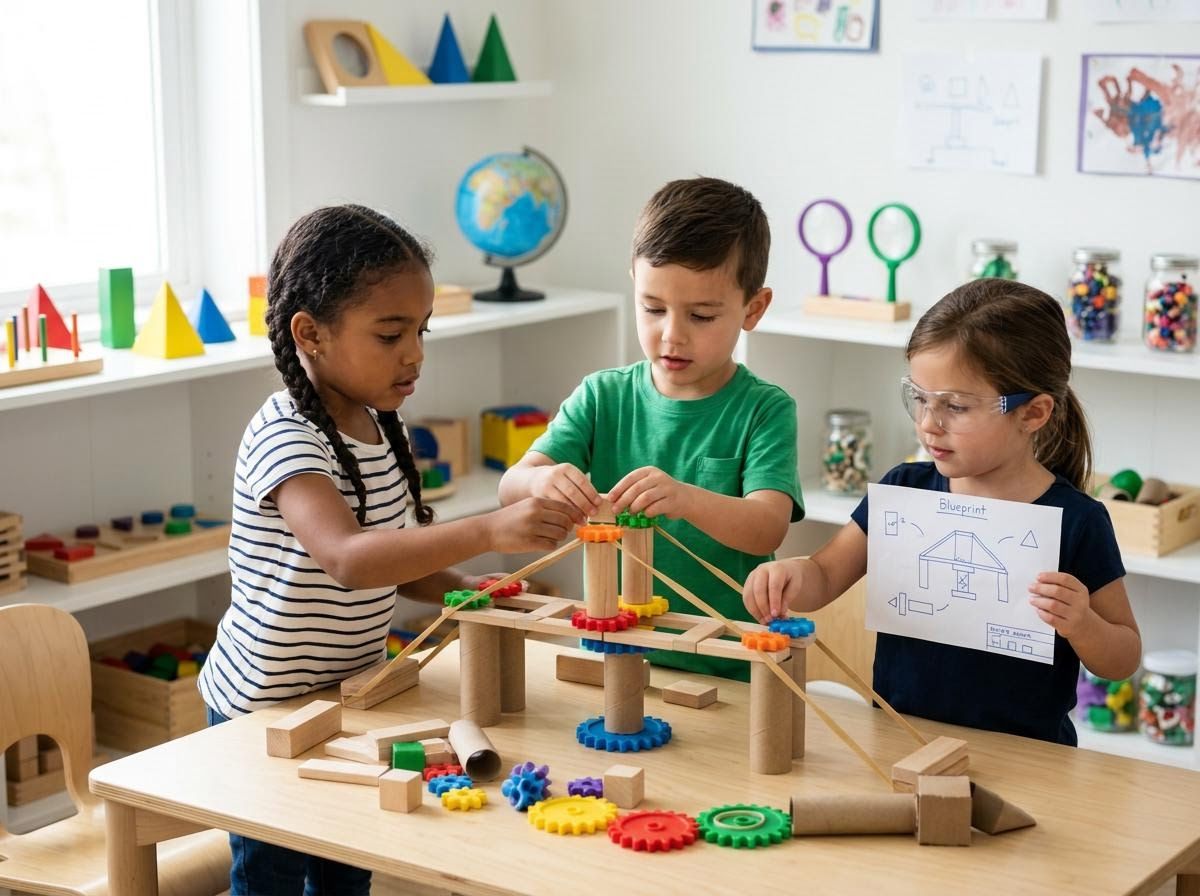
Developing critical thinking and adaptability from a young age is paramount in today's rapidly evolving world, and early engagement in STEAM (Science, Technology, Engineering, Arts, and Mathematics) activities provides a powerful foundation for these essential skills. At Hand in Hand Preschool & EDC, we recognize that fostering a child's natural curiosity through innovative, hands-on experiences is key to nurturing their problem-solving abilities and preparing them for future success. By integrating STEAM into our curriculum, we empower children to explore, question, and discover solutions independently and collaboratively.
What is Early STEAM Education and Why Does it Matter?
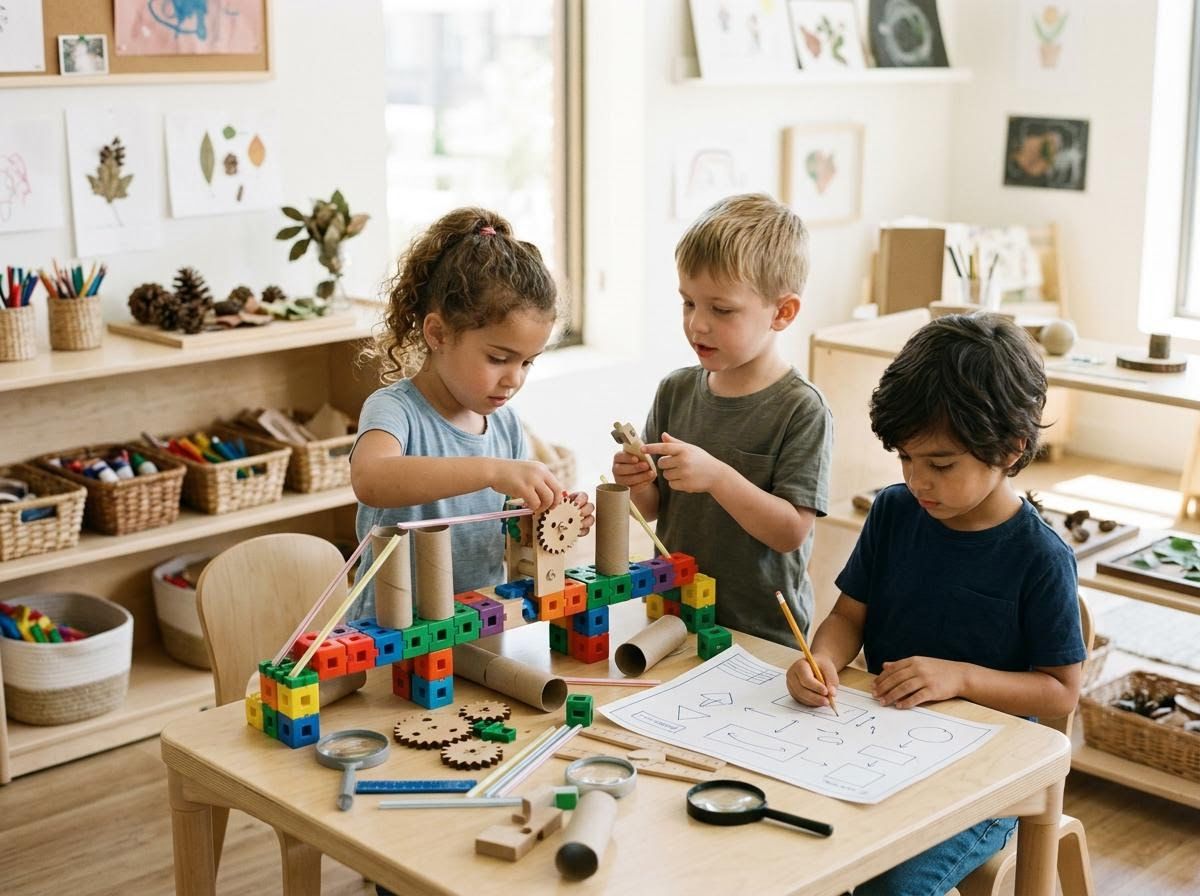
STEAM education for young learners extends far beyond simply memorizing facts; it's a holistic approach that integrates various disciplines to encourage inquiry-based learning. Science fosters observation and prediction, Technology introduces tools and simple concepts, Engineering encourages design and construction, Arts cultivate creativity and communication, and Mathematics builds logical reasoning and pattern recognition. Together, these elements create a rich environment where children don't just learn what to think, but how to think. This interdisciplinary approach mirrors real-world challenges, where solutions often require knowledge and skills from multiple fields.
The Power of Play-Based Exploration in Developing Solutions
Children are natural explorers, and play is their primary mode of learning. Within a STEAM framework, play-based activities become powerful vehicles for developing problem-solving skills. Simple tasks like building a tower that won't fall over, figuring out how to make a boat float, or mixing colors to achieve a new shade all present miniature challenges. These experiences encourage trial and error, resilience, and adaptability. When a child's initial idea doesn't work, they learn to evaluate, hypothesize new approaches, and try again – an invaluable process that builds confidence and critical thinking, laying the groundwork for complex problem-solving later in life.
Fostering Resilience and Creative Thinking Through Challenges
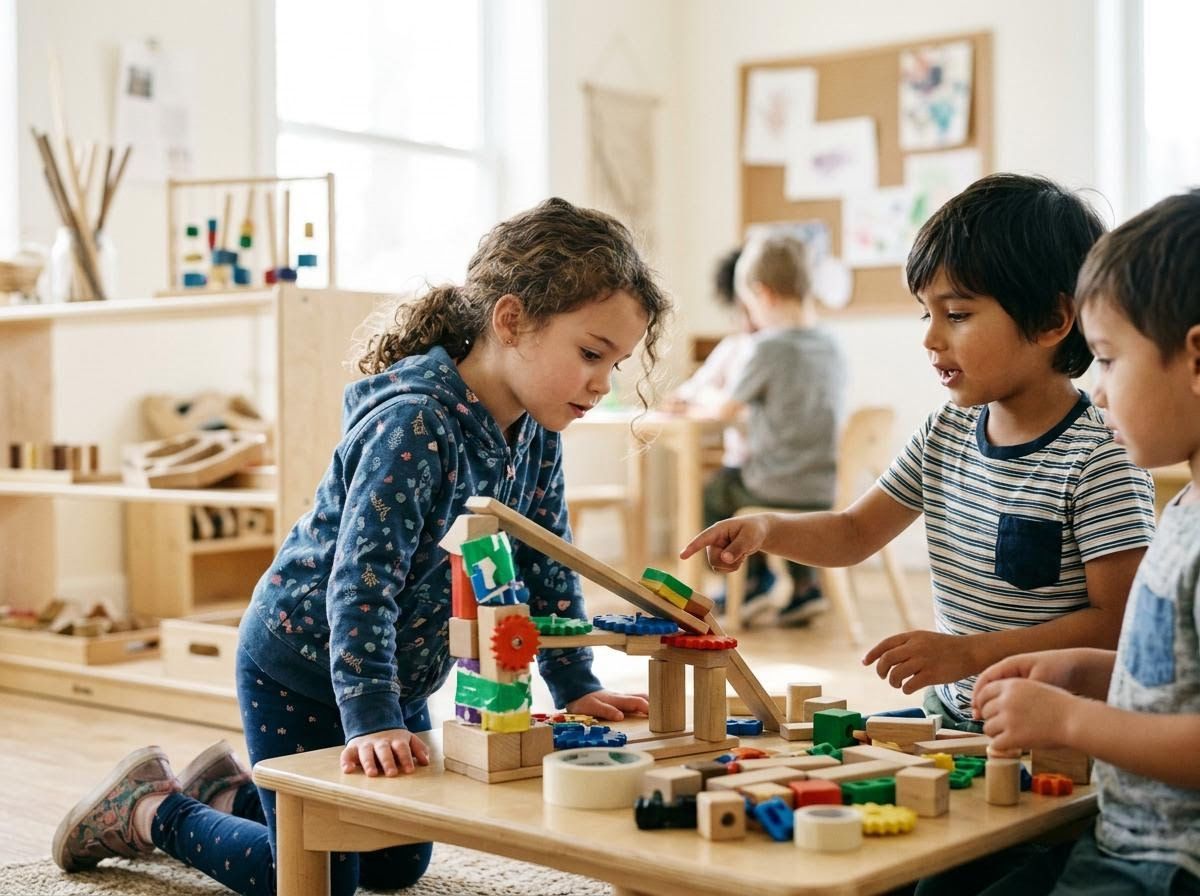
Encountering obstacles and finding creative ways to overcome them is a cornerstone of problem-solving. Early STEAM activities provide safe spaces for children to experiment and even "fail forward." When a child's bridge collapses, or their experiment doesn't yield the expected result, they are supported in analyzing why and then brainstorming alternative solutions. This process cultivates not only resilience – the ability to bounce back from setbacks – but also divergent thinking. Children learn that there isn't always one right answer, encouraging them to think outside the box, imagine different possibilities, and invent novel approaches to challenges.
Preparing for a Future-Ready World
The skills cultivated through early STEAM education are directly transferable to academic success and future careers. The ability to identify a problem, break it down, experiment with solutions, and adapt when necessary is crucial in every aspect of life. Children who engage in STEAM activities develop strong analytical skills, critical judgment, and an innovative mindset. These foundational capabilities prepare them not just for specific subjects, but for navigating a world that demands continuous learning, creative thinking, and a proactive approach to challenges.
Nurturing strong problem-solving skills from an early age is an investment in a child's future potential, building their confidence and preparing them to tackle any challenge with creativity and resilience. At Hand in Hand Preschool & EDC, our carefully designed STEAM-integrated curriculum reflects this commitment, offering engaging experiences that spark curiosity and develop essential cognitive abilities. To discover more about our innovative educational approach and how we empower young learners, we invite you to explore our program details and curriculum philosophy.